Best Wigs for Cancer Patients - 100% Human Hair Wig for Chemo Patients

A cancer diagnosis is a life-changing event that often brings about deep fears and uncertainties. For many people, one of the hardest aspects is the prospect of losing their hair. Hair is bound up with identity and confidence, and the idea of facing the world without it can be overwhelming. The thought of finding a natural-looking and comfortable wig that truly feels like your own hair may seem daunting, but some options can help you feel like yourself again.
At Daniel Alain, we specialize in high-quality, real human hair wigs for cancer patients, with a deep understanding of the unique needs of anyone with treatment-related hair loss. We’re committed to helping customers facing cancer regain their confidence with real hair wigs crafted for comfort and the most natural look. Our team has years of experience helping people find wigs that make them feel beautiful and supported throughout their journey.
In this article, we’ll walk you through finding the best wigs for chemo patients, from understanding the benefits of human hair wigs to choosing the right wig styles based on your needs. Whether you’re looking for a wig that is easy to wear, easy to restyle, or simply feels as natural as your own hair, we’ll cover everything you need to know to make an informed choice. By the end of this article, you’ll be empowered with practical steps to select a wig that helps you face medical hair loss with confidence.

Radiation, Chemotherapy & Hair Loss
Radiation and chemotherapy are common cancer treatments, each with its own process and potential side effects. Chemotherapy targets rapidly dividing cells throughout the body, including hair follicles, which can result in hair loss. How much hair you lose depends on which drugs you are given and at what dose, so your care team can usually tell you what to expect before you start.
Fear of hair loss weighs heavily on treatment decisions. One study found that 8% of patients said they would refuse chemotherapy because they feared losing their hair, and other research puts that figure higher still. Hair loss is also not always temporary. The American Cancer Society reports that about 1 in 3 breast cancer survivors experience long-term or permanent hair loss, so it is worth asking your care team what to expect from your specific regimen. This devastating side effect, called chemotherapy-induced alopecia (CIA), can get less attention than it deserves during treatment planning. For the person going through it, that loss matters enormously.
However, it’s important to know that not all chemotherapy causes hair loss, as it often depends on the specific drugs used and the areas being treated. For instance, localized treatments, such as radiation on the hip or other body parts, may not cause hair loss on the scalp, since the impact is concentrated in a specific area.
Hair loss from chemo can be one of the more visible effects, but it doesn’t happen immediately. Hair loss usually begins within one to three weeks of the first chemotherapy cycle and progresses with later cycles. If you or a loved one is preparing to undergo treatment, planning ahead by exploring options for full-coverage wigs - especially high-quality, natural wigs for cancer patients - can make you feel more in control and help maintain a sense of normalcy.
Best Wigs After Chemo Hair Loss
Free Wigs or Low Cost Wigs
Choosing the right wigs after chemo hair loss can feel like an important part of reclaiming your confidence and personal style. Your doctor or hospital’s cancer centers might provide free wigs through a wig program during chemo, which can be immensely helpful if budget is the leading factor in your wig purchase decision-making.
Synthetic Wigs
Synthetic wigs, or low-cost wigs, are another option and are made from man-made, artificial fibers designed to replicate the look and feel of real human hair. They are available in a wide variety of styles, from fun party or costume wigs to more realistic everyday options. You'll also find an extensive range of wig color choices and hair color options, including everything from black hair and dark brown to blonde, red, and fashion shades, as well as shorter styles and longer looks.
Some synthetic wigs are made from heat-resistant fibers that can be lightly styled on a low heat, but most come in a preset style that cannot be changed.
While synthetic wigs offer plenty of variety at an affordable price, they generally don't provide the same level of realism as a high-quality human hair wig. The front hairline can appear less natural, particularly in outdoor light, and the fibers don't move as naturally or help a wig lie flat the way real hair does. For some people, the fibers may also feel less comfortable on a sensitive scalp during chemotherapy.
Human Hair Wigs
For the most natural look and feel, human hair wigs are often the best option. Unlike synthetic wigs, human hair wigs offer an extremely natural appearance and truly look, move, and feel like a real head of hair. High-quality human hair wigs for cancer patients can be cut, styled and even colored by a hair stylist after purchase, so you can shape the look to suit you. You can also wear hair accessories, including headbands, clips, and scarves, just as you would with your natural hair.
Many also feature a realistic cap construction that creates the appearance of a natural scalp.
Human hair wigs require more maintenance than synthetic wigs. To keep them looking their best, it's important to gently brush the hair using a wig brush, use hair care products made specifically for wigs, allow the wig to air dry whenever possible, or ensure it is completely dry before storing or wearing it.
We’ve noticed that with the freedom to express themselves, our customers feel a boost of self-confidence throughout their journey.
The Power of Finding the Right Wig
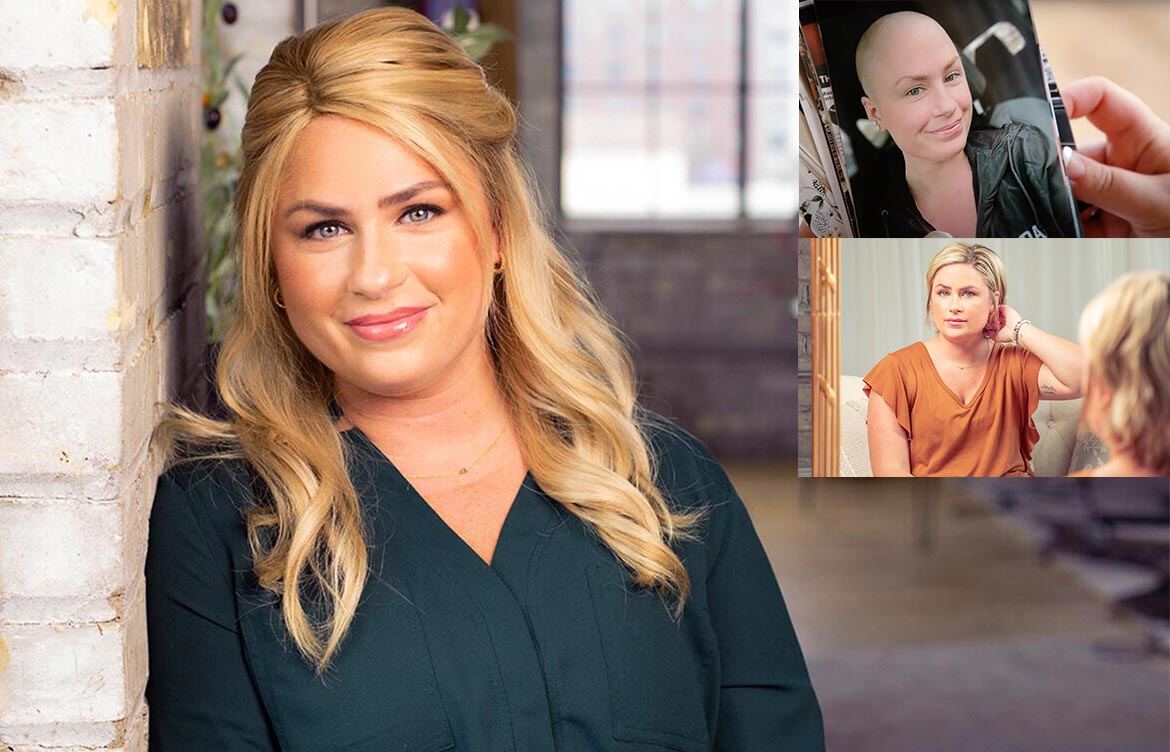
Daniel Alain customer Katelyn lost her hair during chemotherapy to treat Hodgkin's lymphoma and says that the best wig “is one that makes you feel comfortable and happy with your appearance. It was important to me to find a wig that resembled my natural hair. I loved my hair before treatment, so finding something that matched my usual look and complemented my skin tone helped me feel more like myself during a difficult time.”
Human hair wigs are especially beneficial for cancer patients because they can last several years when properly cared for. Unlike synthetic wigs, which may only last about six months with daily use, human hair wigs can be a worthwhile investment for people experiencing chemo-related hair loss and who want a wig that will support them through treatment and the hair growth phase.
Since natural hair grows slowly - about six inches per year - many people continue to wear their wig until their bio hair reaches a length they’re comfortable with. With a high-quality human hair wig, you can feel confident and at ease, knowing you have a solution that will see you through every stage of your journey.
Katelyn’s hair is growing back now, and she can attest to the regrowth process, which she describes as “interesting with its own set of awkward stages. Having one high-quality wig to see me through the entire journey has been something I’ve relied on to help me feel and look like myself.”
Wig Checklist for Chemo Patients Facing Hair Loss
If you’re preparing for chemo and considering a wig, here’s a simple checklist to help guide you through the process:
-
Begin looking into options for cancer wigs well before treatment to give yourself time to explore styles, types, and what will suit you best.
-
A wig specialist can offer valuable advice on choosing the right wig, taking into account your needs, face shape, and lifestyle. They can also help you understand the differences between human hair and synthetic wigs.
-
Think about your personal style and what makes you feel like “you.” Human hair wigs are highly customizable and allow you to select the cut, color, and texture that best fits your personality.
-
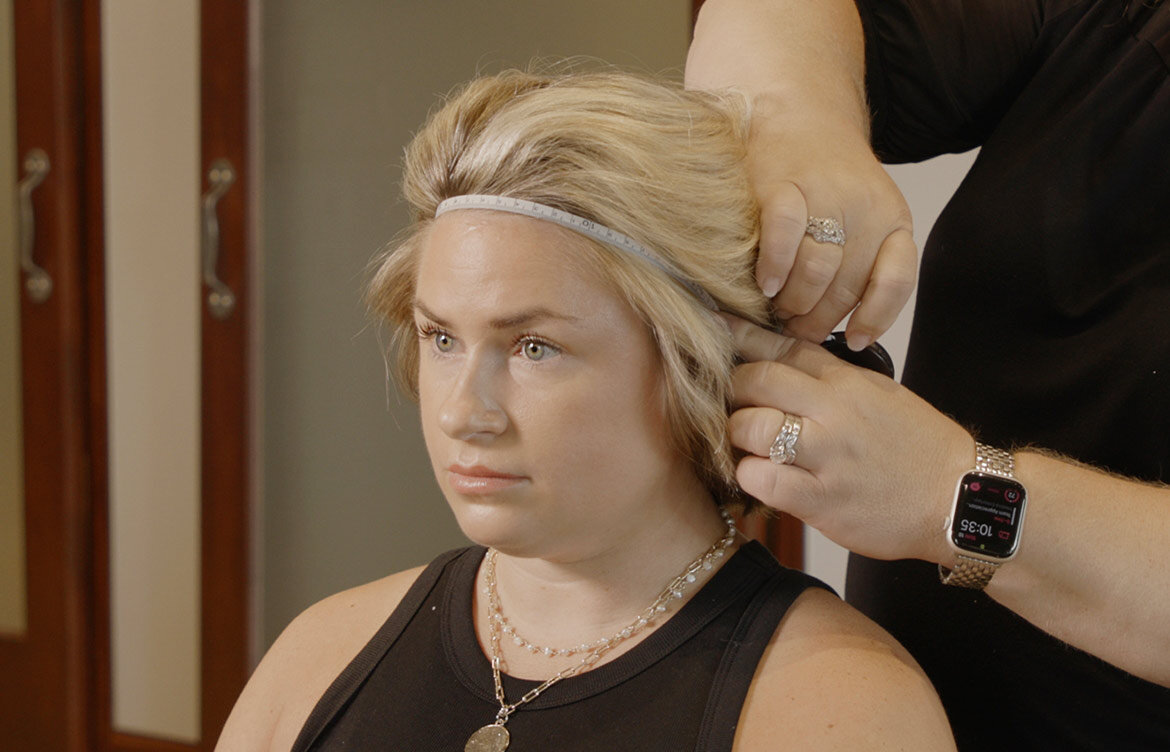
Having your wig fitted and ready before you start experiencing hair loss can help make the transition smoother and more comfortable. Take measurements and check your head size. If you wear glasses, make sure it’s comfortable around your ears.
-
Choosing a full wig with adjustable straps inside provides a secure fit throughout your treatment. A wig that comfortably fits the entire head with complete hair loss, while also accommodating gradual regrowth, ensures you're covered for the entire journey and offers the best long-term value for your investment.
Will Insurance Help?
Some insurance plans will help cover the cost of these medical wigs, as they are often considered a medical necessity during cancer treatment. Although Daniel Alain does not work directly with insurance companies, we recommend that our customers check with their provider before making a purchase to see if reimbursement or financial assistance is available. Many providers require a prescription for a "cranial prosthesis," which may qualify the wig for partial or full coverage.
Follea's Premium Human Hair Wigs
For three decades, Daniel Alain Hafid has made it his life’s mission to change women’s lives. “No woman deserves to be in a low-quality wig, and we’re changing that. I have traveled the globe combining industry knowledge with the very best craftsmanship and design innovation to create luxury wigs made with only the finest European human hair. They need to be able to move naturally, be styled, cut & colored as desired, as well as have the most comfortable fitting cap.”
Our most popular and best wig for chemo patients is the Follea Style Wig. This collection balances comfort with security for a lightweight fit. The Style cap uses no silicone, which some wearers prefer during treatment.
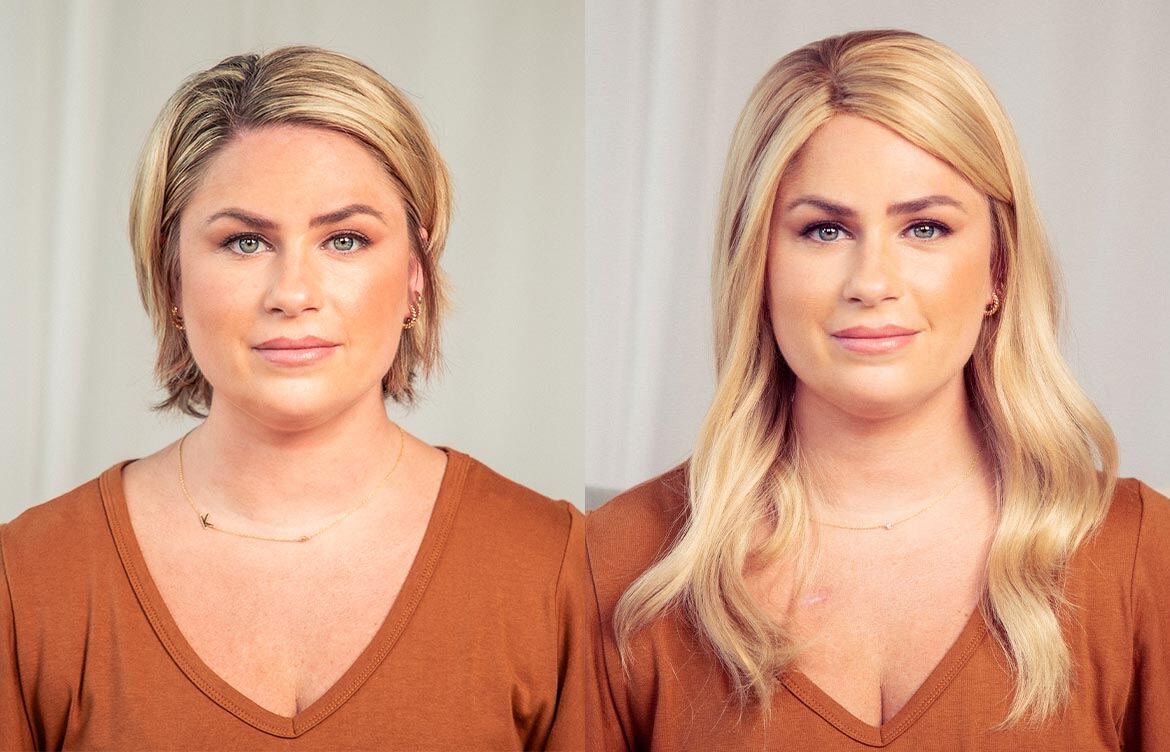
Katelyn wears a 12” Style wig in Vienna, and she describes the moment she first tried on her piece. “I’m a crier, so there were tears—happy and bittersweet. It was amazing because the wig didn’t look much different from my natural hair. I felt so grateful that this was an option, but also sad because it made the reality of losing my hair very real.”
Finding the right wig can take time, so multiple consultations might be necessary. Listen to your gut, and choose the wig that makes you feel your best, regardless of others’ opinions. Ultimately, you’re the one wearing it every day, so make sure it feels right for you.
“My Style wig made a huge difference. When you’re going through chemo, you don’t feel like yourself. Being able to put on my wig and look in the mirror to see a version of myself that looked like "me" was an instant mood booster. It helped me feel more confident, and I felt like I looked less sick, which was especially important on those hard days,” Katelyn explains.

The Style collection is the most natural hair wig for chemo patients and is available in the most extensive selection of color and length options.
The Style Wig Features:
- 100% European Hair
- 100% hand-tied
- Hidden knot for optimal discretion
- Signature return hair technique
- Hair cuticle partially intact
- Customizable to your desired style
The Style Cap Features:
- 100% handmade with Swiss lace
- Open lace-front from temple-to-temple
- Voluminous French top
- Silk like spandex with tiny holes barely visible to the eye to prevent hair inversion
- Four adjustable stays on the sides & nape area
- S-hook, covered elastic adjustable bands on each bottom side for added security
- Sewn in flexible combs, easily removed to utilize tape tabs
7 Tips For Choosing a Wig For Cancer Patients
Tip #1: Choose the Right Type of Wig
Decide whether a synthetic or human hair wig best suits your lifestyle. Synthetic wigs are easy to care for and affordable, while human hair wigs offer the most natural look, feel, and styling versatility.
Tip #2: Prioritize Comfort
Chemotherapy can make your scalp more sensitive, so choose a lightweight, breathable wig with the correct fit. A properly fitted wig will feel more secure and comfortable throughout the day.
Tip #3: Find a Style That Feels Like You
Whether you want a wig that closely matches your natural hair or you're ready to try a completely new look, choose a style that helps you feel confident and comfortable.
Tip #4: Seek Expert Guidance
A wig specialist can help you find the right fit, style, and cap construction for your needs. Many salons also offer virtual consultations if you prefer to shop from home.
Tip #5: Consider Your Budget
Synthetic wigs have a lower upfront cost, while human hair wigs last much longer and can be a worthwhile investment if you'll be wearing your wig for an extended period.
Tip #6: Explore Other Options
Wigs aren't the only choice. Scarves, turbans, hats, beanies, and even a hair topper for those with less extensive hair loss can be comfortable alternatives, and some people choose to embrace their natural appearance without head coverings.
Tip #7: Don't Rush the Decision
There are many wigs on the market. Take your time exploring different styles and options. The right wig is the one that makes you feel comfortable, confident, and like yourself.
Is a Human Hair Wig Right for Me?
Facing hair loss during cancer treatment is a deeply personal and emotional journey, and the thought of losing a part of your identity can feel overwhelming. Many people wonder if they’ll be able to find a wig that feels natural, comfortable, and truly like “them.”
We have covered the benefits of human hair wigs, what to look for when buying one, and the Follea Style wig from Daniel Alain.
If you’re ready to take the next step, we invite you to book a free, no-obligation consultation with Daniel Alain. Speaking to a professional can help you feel more confident in your choice, and it’s the best way to find a wig that meets your unique needs. Our team is here to support you, answer any questions, and provide guidance to make the process as easy and comfortable as possible.
Frequently Asked Questions
What is the Best Wig for Cancer Patients?
The best wig for cancer patients depends on a variety of factors, including hair type, lifestyle, and budget. However, it's crucial that wigs for chemo patients are comfortable, breathable, and easy to wear.
Does Daniel Alain Offer Financial Assistance for Wigs?
Daniel Alain does not offer a financial assistance program for wigs. However, we do provide several options to help make your purchase more manageable.
We proudly offer a 10% discount to:
-
Military personnel – Active duty, National Guard, Reservists, veterans, and retired U.S. military personnel, as well as their spouses and dependents.
-
First responders – Active and retired nurses, EMTs, paramedics, firefighters, police officers, and other first responders, along with their spouses and dependents.
-
Education professionals – Students, teachers, educators, and academic professionals.
We also offer Buy Now, Pay Later financing through Affirm and PayPal, allowing eligible customers to spread the cost of their wig or topper over time. Both plans may charge interest depending on the term you choose.
If you have a Flexible Spending Account (FSA) or Health Savings Account (HSA), you may also be able to use those funds toward the purchase of a wig or topper. During a complimentary consultation, one of our expert stylists can guide you through the payment process and help determine whether your purchase qualifies under your plan.
If you're unsure which discounts or payment options apply to you, our team would be happy to help you explore your options.
How Do I Find Free or Low-Cost Wigs for Cancer Patients?
Many nonprofits, hospital wig banks and cancer treatment centers offer free or low cost wigs. The American Cancer Society no longer runs its own wig catalogue, but its website can point you to programs near you, and your treatment center social worker or patient navigator is usually the fastest route. However, if you can afford to purchase a wig, we recommend doing so as it will give you a wider selection of styles, sizes, and types to choose from. Donated wigs are often used and may not fit as well.
Does Insurance Cover Wigs for Cancer Patients?
It depends on what kind of policy you have, but many insurance companies will cover a portion of a wig if your hair loss is due to medical reasons. Call your insurer before you buy and ask what they need. Many plans reimburse you after purchase rather than approving the cost up front, and most ask for a letter or prescription from your doctor.
How Much Does a High-Quality Human Hair Wig Cost?
Human hair wig prices vary widely with the grade of hair, the cap construction, and where you buy. Our own collections span several thousand dollars from the entry point to the top of the range, and a stylist can walk you through current pricing on a free consultation.
Are Hand-Tied Wigs Comfortable to Wear After Chemo?
Comfort lies in the cap construction, and when it comes to the best wigs for chemo patients, a hand-tied, lace front cap can't be beaten. It's cooling, comfortable, and allows for maximum breathability. A lace front also creates a natural-looking hairline, and the adjustable bands and flexible combs inside the cap hold the wig securely without adhesive for most wearers.
How Long Do You Wear a Wig After Chemo?
Hair will typically start falling out one to three weeks after starting chemotherapy. Some people opt to shave their heads once their hair starts thinning, while others choose to wait until it's all gone.
How long you wear your wig is really up to you, but most people wear chemo wigs throughout the duration of their treatment and then for a few months afterward while their hair grows back.
What is the Most Natural Looking Wig?
Choosing the best natural hair wigs for cancer patients comes down to the quality of the hair, and to how it was collected and processed. Look for hair collected as a ponytail with the cuticle intact and running in one direction, since that is what keeps hair smooth and tangle free.
Other hair types offer different kinds of texture and thickness, but in general, human hair wigs are always more natural-looking compared to synthetic wigs.
I Have Breast Cancer - How Do I Choose a Wig?
Choosing among the sea of real hair wigs for breast cancer patients can be overwhelming, especially when you already have so much on your plate. So here are a few things to look for while shopping:
-
100% real human hair, as it looks the most natural
-
A lace front cap, as it creates the most natural-looking hairline
-
Hand-tied, as it offers the most breathability
It helps a ton to work with a wig specialist who can curate a few high-quality options based on your individual needs. At Daniel Alain, our experts are always on hand to answer questions and give you guidance. Schedule a consultation today.
Which is Better Lace Front or Full Lace Wigs?
Everyone has their preferences, but lace front wigs for chemo patients tend to be easier to put on and take off, which is important for cancer patients as they may not have the energy or dexterity to deal with a full lace wig.
Lace front wigs also offer more breathability, which can be crucial for chemo patients as many of them experience hot flashes. Full lace wigs are a bit more tedious to put on, but some people prefer the look and feel of them.
How Do I Know What Size Wig to Buy?
Determining your wig size is crucial, and thankfully, it is pretty simple. Just take a measuring tape and wrap it around your head, starting at your hairline in the front and going around to the nape of your neck in the back.
Once you have your measurement, just consult a wig size chart to find the corresponding size.
What Should I Look for When Buying a Wig?
Searching for the best wigs after chemo can be tricky, but here are a few things to keep in mind while you shop:
-
The hair should be 100% real human hair
-
The cap construction should be a lace front with a stretchy skin top
-
The wig should be hand-tied
At Daniel Alain, we offer only the finest quality real hair wigs for cancer patients. Shop our wig collection here.
How Long Do Human Hair Wigs Last?
Human hair wigs for chemo patients are an investment, and it's understandable that you want to get as much wear out of them as possible. Follea premium human hair wigs typically last two to four years with regular wear and proper care. How long yours lasts depends on how often you wear it, how you store it, and how gently you handle it.
With the right maintenance and care routine, some Daniel Alain customers claim that their wigs have lasted nearly a decade!
How Do You Maintain a Human Hair Wig?
The more care and love you put into your human hair wig, the longer it will maintain its original quality and luster. Here are a few tips to keep your wig in top condition:
-
Comb gently with a wide-tooth comb or wig brush, starting at the ends
-
Wash it weekly with shampoo and conditioner made specifically for wigs
-
Be gentle when shampooing, conditioning, and styling
-
Avoid heat styling tools as much as possible and use a heat protectant if you do
-
Store it on a wig stand when you're not wearing it
Can I Wear a Wig Every Day?
Absolutely, high-quality human hair wigs for cancer patients are meant to be worn every day. Just make sure you take it off while you're sleeping. Wearing a wig to bed can cause breakage and tangling.
What Are the Different Types of Human Hair Wigs?
A lot of people don't realize that there are a few different types of human hair wigs for cancer patients. The type is mostly dependent on where the hair was sourced, but it can affect the feel, look, and overall quality of the wig.
European Hair
Easily the most popular type of human hair wig, European hair is soft, silky, and easy to style. It also holds color well, so if you're looking for a wig in a specific shade, European hair is the way to go.
The downside is that it's incredibly rare, which also makes it the most expensive hair type.
Indian Hair
If you're looking for wigs for cancer patients with lots of volume, Indian hair is a great option. It is also very versatile, and you can wear it curly or straight.
Indian hair is usually long, healthy and untreated, and it is easier to source than European hair. However, it's very easy to find and much more cost-effective than other types.
Asian Hair
Asian hair is known for being very strong and durable, so it's a great option if you're looking for the best wigs after chemo that will last a long time. It's also quite inexpensive.
Asian hair is generally thicker in diameter than European hair, which makes it strong and durable rather than silky. What matters far more than origin is how the hair was collected. Hair gathered loose from salon floors, brushes and drains comes from many heads at once, so the strands do not all run the same way, and that is what leads to tangling.
Do your due diligence to make sure the wig you're considering is made from ethically sourced Asian hair.
Virgin Hair
Virgin hair is the highest quality hair you can get. It has never been processed or treated in any way. It's also incredibly rare and, as a result, very expensive.
The main downside to virgin hair is that it's difficult to find wigs for cancer patients made from 100% virgin hair. Most manufacturers blend it with other types of hair to cut costs, so be wary of anyone claiming to sell a 100% virgin hair wig.
Remy Hair
Remy hair is ponytail hair with the cuticle running in one direction, though it may still have been dyed or treated. These types of wigs for chemo patients are less likely to tangle or shed.