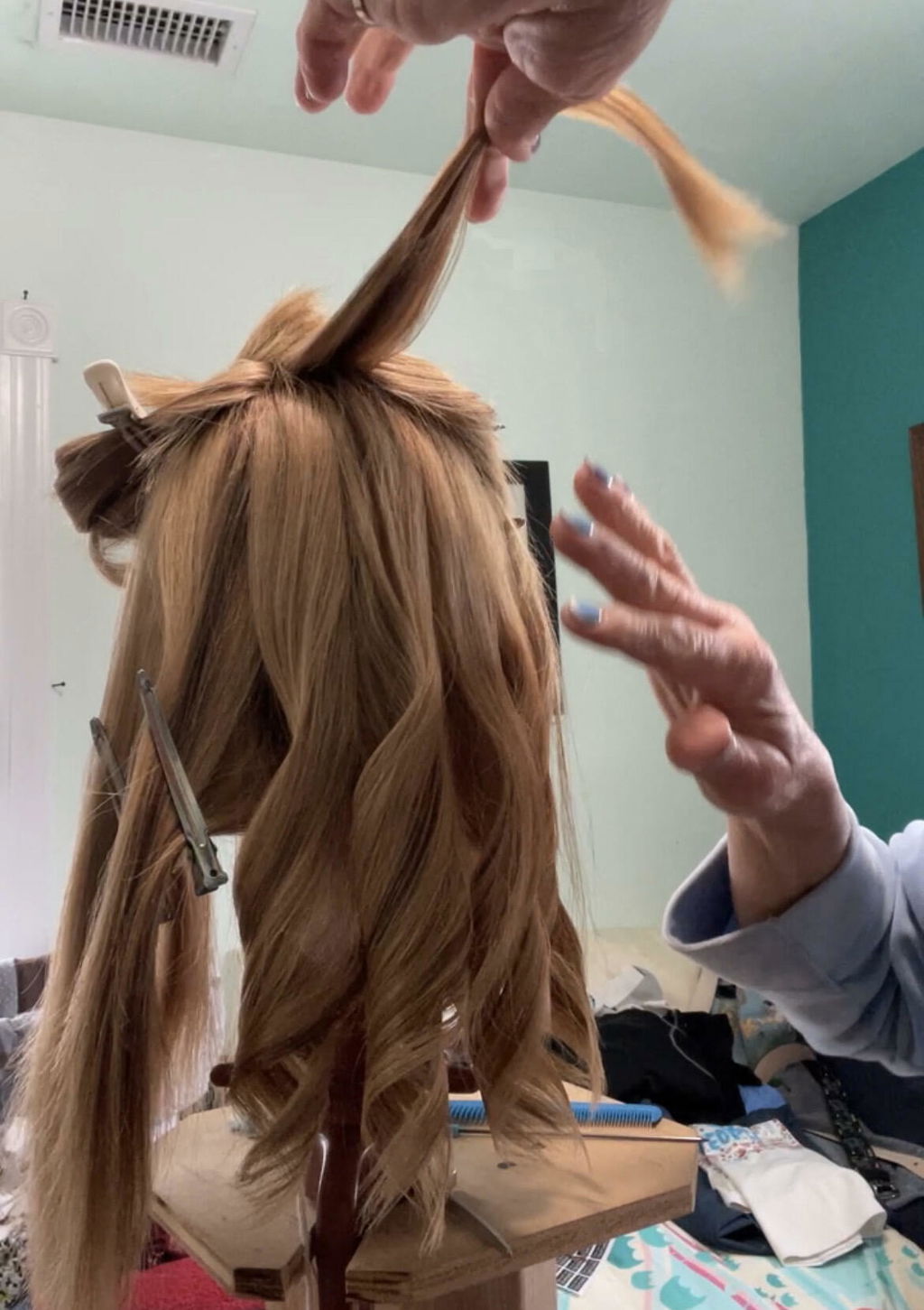
Heat Styling Human Hair Wigs and Toppers: What’s Safe and What’s Not

If you are new to wearing a human hair wig, you may be wondering whether you can curl it, straighten it, or blow dry it the same way you would with biological hair.
Heat styling is possible with a human hair wig, but it needs to be done with care. The right techniques can help the hair stay smooth, soft, and natural-looking. The wrong approach can cause dryness, frizz, or shorten the lifespan of the piece.
At Daniel Alain, we work with women experiencing hair loss every day, helping them choose, care for, and style their wigs safely at home. The tips in this checklist reflect the same practical, supportive guidance we share during consultations, where protecting the integrity of the wig is always the priority.
We will walk through what is safe, what to avoid, and how to protect your human hair wig while heat styling. This way, you can style your wig with confidence and keep it looking beautiful for as long as possible.

Before You Begin Heat Styling a Human Hair Wig or Topper
Before applying any heat, a few quick checks can make a big difference in protecting your human hair wig and keeping it in good condition.
Begin with clean, fully dry hair
Heat styling on damp hair can cause breakage or leave the hair feeling rough. If you have recently washed the wig, allow it to air dry thoroughly before using any tools.
Always use a heat protectant product
A light, salon-quality heat protectant helps shield the hair from dryness and keeps the strands smooth. Apply evenly through the mid-lengths and ends before styling.
Safe Heat Styling Habits for your Human Hair Wig or Topper
Once you are ready to style, these gentle habits help protect the hair and maintain the quality of your human hair wig.
Use the lowest heat setting that achieves the style
Modern heat tools often default to very high temperatures. Start low and only increase if needed. Most people are surprised at how well the hair holds shape with less heat.
Work in small, manageable sections
Smaller sections allow the heat to distribute more evenly and reduce the need to go over the same area multiple times.
Keep the heat tool moving
Avoid holding a curling iron, flat iron, or blow dryer in one place for too long. Slow, smooth movement helps prevent dryness or hot spots.
Allow curls or waves to cool in place
After shaping the curl, let it cool before touching or brushing. Cooling helps the style set, so you don’t have to apply additional heat.
Test your heat setting on a small section first
Choose a piece of hair near the back to make sure the temperature is safe and producing the results you want.
Tools That Are Safe to Use on a Human Hair Wig or Topper
Choosing the right tools makes heat styling gentler and more predictable. Look for options that allow you to control the temperature, and avoid anything that overheats or applies uneven heat.
Curling Iron or Wand (with Adjustable Heat Settings)
A curling tool with adjustable temperature allows you to start low and find the minimum heat needed to form the curl. Ceramic or tourmaline barrels tend to distribute heat more evenly.
Flat Iron with Smooth Ceramic or Tourmaline Plates
A flat iron can straighten the hair or create soft waves, but only if the plates glide smoothly. Rough, metal plates or tools without temperature control can cause friction and dryness.
Blow Dryer with a Concentrator Nozzle
A concentrator attachment helps direct airflow down the hair shaft, which keeps the cuticle smoother and reduces frizz. Use gentle airflow and avoid high heat.
Round Brush or Paddle Brush Designed for Heat Styling
Look for brushes with bristles that won’t snag the hair. A round brush can add movement and volume, while a paddle brush is helpful for smoothing.
These tools are safe to use when handled slowly, at a low temperature, and with heat protectant applied beforehand.
Tools and Techniques to Avoid
Some tools and styling habits can cause unnecessary stress on the hair or the wig’s construction. Avoiding these helps maintain softness, shine, and longevity.
Very high heat settings
Temperatures that are too hot can dry the hair quickly and reduce its natural movement. High heat also risks weakening the knots that hold each strand in place.
Tools without temperature control
Older curling irons, flat irons, or metal heat tools that only have “on/off” modes can overheat unpredictably. Consistent, controlled heat is safer for the hair.
Blow drying on very wet hair
Applying direct heat to wet hair can cause the strands to become rough and lose moisture. Always let the hair air dry most of the way before using a dryer.
Using heat on tangled or knotted hair
Heat can lock in tangles and make them harder to remove. Always detangle gently from the ends upward before styling.
Pressing hot tools directly at the roots or lace area
Heat applied too close to the base can loosen or damage the delicate knots and lace. Keep curling irons and flat irons slightly away from the root for safety.
By avoiding these tools and techniques, you help preserve both the quality of the hair and the structure of the wig.
If You Notice Signs of Damage on your Human Hair Wig or Topper
Even with careful styling, human hair can show signs of stress over time. Catching these changes early allows you to adjust your routine before the damage becomes noticeable.
Common signs to look for:
-
The hair feels dry, rough, or less silky than usual
-
The ends look frayed, split, or uneven
-
The hair seems to have lost some shine or movement
-
Styling requires more heat or effort than before
If you notice any of these, try the following adjustments:
Reduce how often you use heat
Give the hair time to rest and rely on heat-free styling methods when possible.
Lower the temperature on your heat tools
Even a small decrease in heat can make a meaningful difference in how the hair responds.
Incorporate gentle deep conditioning
Focus on the ends, where dryness typically shows first.
Consider a small trim from a stylist who works with wigs
A light trim can instantly improve appearance and help the hair feel smoother again.
Addressing damage early helps maintain the natural look and movement of your human hair wig for longer.
How Do You Heat Style Your Wig With Confidence?
Heat styling can feel intimidating at first, but it becomes much easier once you understand how to protect the hair and use gentle, controlled techniques. Start with the lowest heat setting, take your time, and focus on preserving the softness and movement of the hair. Over time, these habits become second nature, and styling your human hair wig can feel just as familiar as styling biological hair.
If you would like to build confidence with a simple, approachable technique, learning how to curl a human hair wig is a great place to begin. Curling allows you to add shape and movement without needing high heat or complicated styling tools, and it can help your wig feel more personal and natural to you.