How to Buy a Wig for the First Time

Buying a wig for the first time can feel like stepping into a completely unfamiliar world. With so many wig styles, wig cap constructions, hair fibers, colors, and price points to choose from, it's easy to feel overwhelmed or worry about finding the right wig.
At Daniel Alain, we've helped thousands of people find their first wig with confidence. Whether you're experiencing hair loss, looking for a human hair wig, comparing synthetic wigs, or simply exploring a new form of self expression, we understand how important it is to find a perfect wig that looks natural, feels comfortable, and fits your lifestyle.
This updated wig buying guide is your ultimate guide to choosing your first wig. We'll explain how to buy a wig, compare human hair and synthetic options, explore different cap construction styles, help you choose the right wig size and wig color, and share practical wig care advice so you can make an informed decision.
If you're wondering, "Which wig is right for me?" or "What wig is best for me?", this guide will give you the knowledge you need to shop with confidence and choose a wig that helps you feel confident every time you wear it.

What to Look for when Buying Your First Wig
Choosing the perfect wig isn't just about finding the right color or hairstyle. You want to find a wig that helps you feel confident every time you wear it. The right wig should suit your lifestyle, complement your personal style, and feel like a natural extension of you. Whether you're buying your first wig because of hair loss or simply exploring a new look, there are four things every great wig should offer:
-
A Natural Look – Today's different wigs are more realistic than ever. From lace front wigs with a natural looking hairline to beautifully crafted human hair wigs, modern wigs are designed to blend seamlessly and create a completely natural appearance. If you're also wondering about the most comfortable wigs, that's another important factor to explore.
-
Total Comfort – A wig should feel comfortable from morning to night. The right wig cap, cap construction, and wig size can make all the difference, especially if you plan on wearing your wig for daily wear or have a sensitive scalp.
-
Maximum Security – A well-fitting wig should stay comfortably in place, giving you the security to go about your day without worrying about slipping or shifting, whether you're out for a walk, spending time with friends, or simply enjoying everyday life.
-
Styling Versatility – Your wig should work with your style, not limit it. Whether you prefer sleek, straight hair, soft curls, wearing bangs, high ponytails, or loose waves, choosing the right fiber and construction will give you the styling versatility you need.
Let's take a closer look at how to achieve all four.
Choose A Hair Type: Human Hair vs. Synthetic Hair Wigs
One of the first, and most important, decisions you'll make when buying a wig is choosing between a human hair wig and synthetic wigs. Each offers its own advantages and trade-offs, from appearance and styling flexibility to maintenance, longevity, and price. Understanding these differences will help you choose the right wig for your lifestyle, budget, and everyday needs.
Human Hair Wigs
Human hair wigs are made from 100% real hair, giving them the most natural look, authentic movement, and the greatest styling versatility of any wig type. They can be washed, blow dried, curled, straightened, and styled much like your own bio hair, making them an excellent choice if you want complete flexibility.
It's also important to know that not all human hair is the same. While most wigs are made from Asian hair, there are two primary categories used in premium wig making: European hair and Asian hair. Asian hair accounts for approximately 98% of the global market, while only around 2% of human hair wigs are made with authentic premium European hair, making it one of the most sought-after materials available.
European Human Hair
European human hair is considered the rarest hair used to make premium human hair wigs. It is collected from individual ponytails donated by European women, but over the past few decades, these ponytails have become increasingly difficult to source. As living standards improved across much of Eastern Europe, fewer people chose to sell their hair, making authentic European hair exceptionally scarce.
In addition to its rarity, European real human hair is prized for its naturally fine texture, soft feel, and lightweight density. It blends beautifully with many hair types and offers natural movement and exceptional styling versatility. With proper care, a high-quality European human hair wig can maintain its beauty for many years, making it a popular choice for those looking for a premium wig for daily wear.
Asian Human Hair Wigs
The main sources of Asian hair wigs are China, India, Vietnam, and Mongolia. China contributes about 90% of the human hair wig, topper, and extension market, and there are two primary methods for collecting Asian hair:
-
Floor hair: The donor collects hair from shedding or brushing, saves it up, and sells it to a manufacturer who then sorts and processes the hair.
-
Remy ponytails: These are typically collected when Indian women donate their hair at a temple in a ritualistic offering to the gods. The temple then sells the hair to manufacturers. Alternatively, manufacturers buy Remy ponytails from local women who sell their hair for a profit.
Pros of Human Hair Wigs
-
Made from 100% real human hair for the most natural looking appearance.
-
Mimics the look, feel, and movement of your own natural hair.
-
Offers unmatched versatile styling. You can curl, straighten, blow dry, and style it just like your own hair.
-
A great choice for everyday wear thanks to its realistic look and long-term durability.
-
Available in a variety of wig styles, lengths, and wig color options.
-
With the appropriate care, a premium human hair wig can last for many years.
-
High-quality options, such as lace front wigs and hand tied wigs, create a natural looking hairline and exceptional comfort for daily wear.
-
Ideal for people experiencing hair loss who want the most realistic result.
Cons of Human Hair Wigs
-
Typically more expensive than synthetic wigs. If you're curious about why are human-hair wigs more expensive, it comes down to sourcing, craftsmanship, and longevity.
-
Humidity and weather can affect the hairstyle, just as they do with natural hair
-
Choosing the right wig takes careful consideration of hair type, cap construction, wig size, and your styling needs.
Synthetic Wigs
For many first-time buyers, synthetic wigs are an appealing place to start. They're typically more affordable than a human hair wig, come pre styled, and are ready to wear straight out of the box. Because the fibers hold their shape well, synthetic wigs require very little day-to-day styling, making them a convenient option for occasional use or anyone looking for a lower-maintenance routine.
Instead of real hair, synthetic wigs are made from synthetic fibers. The quality of these fibers has a big impact on how the wig looks. Premium fibers create a softer, more natural looking finish, while lower-quality synthetic fibers often have a noticeable shine and less natural movement, especially in bright daylight.
Although synthetic wigs offer convenience, they do have some limitations. Traditional synthetic fibers cannot be heat styled, so you're generally limited to the original style. They also don't provide the same versatile styling as human hair, and their lifespan is typically shorter.
If you're looking for a wig that closely mimics natural hair for everyday wear, a premium human hair wig is often the better long-term investment. However, not everyone is ready to make that investment, especially when buying a first wig. A high-quality synthetic wig can still be an excellent choice while you discover your preferred wig styles, wig color, and wig cap.
Pros of Synthetic Wigs
-
More affordable than a human hair wig, making them a popular choice.
-
Ready to wear straight out of the box and typically pre styled, so they require very little daily styling.
-
Available in a wide variety of wig styles, lengths, and wig color options.
-
Great for occasional wear or for anyone who prefers a low-maintenance routine.
Cons of Synthetic Wigs
-
Made from synthetic fibers, so they generally don't look or move as naturally as real hair.
-
Traditional synthetic wigs cannot be heat styled, while heat friendly fibers require extra care and can wear out more quickly.
-
Typically have a shorter lifespan than human hair wigs, even with proper care.
-
Lower-quality fibers may have an unnatural shine, making the wig appear less natural looking, especially in bright daylight.
Choose A Cap Construction
Once you've decided on the hair type, the next step is choosing the right cap construction. While it's easy to focus on the hair itself, the wig cap plays a major role in how natural your wig looks, how comfortable it feels, and the styling options it offers. Understanding the different wig cap constructions will help you find the right wig for your needs and lifestyle.
Lace Front Wigs
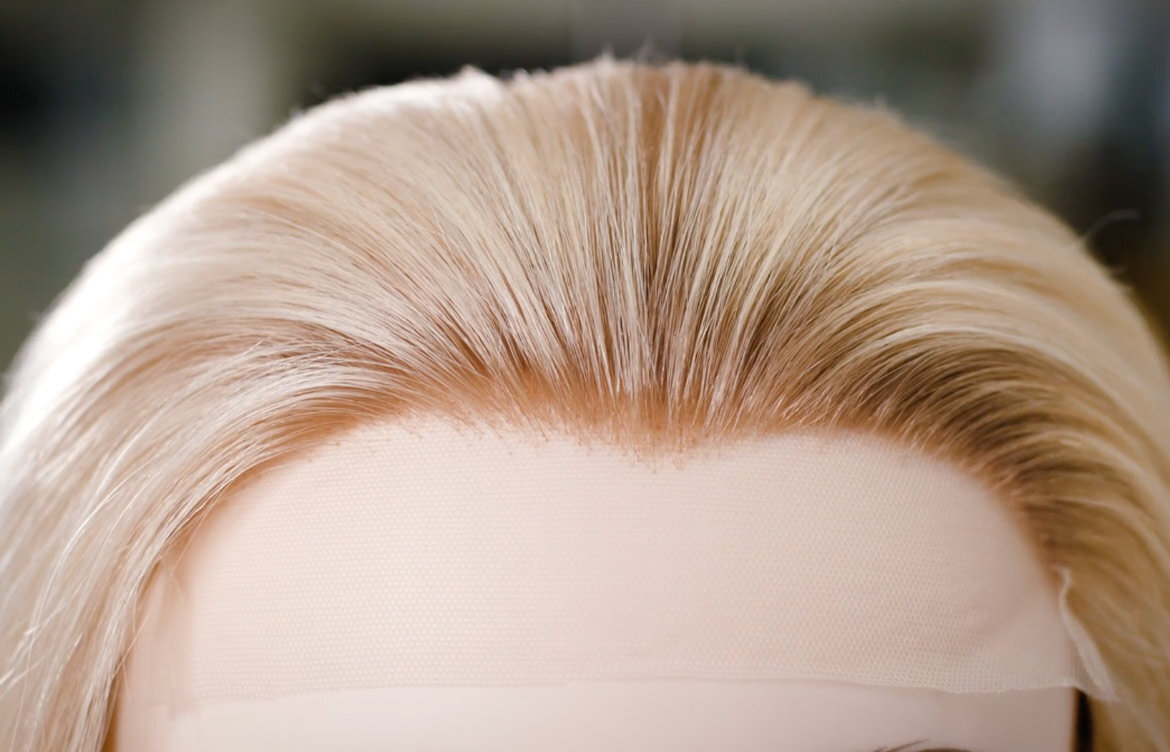
Lace front wigs are one of the most popular choices because they create a highly natural hairline appearance. Individual hairs are hand tied into a fine piece of lace along the front hairline, allowing the hair to appear like natural hair growth from your head. This creates a soft, realistic transition from skin to hair, making the hairline much less noticeable.
A lace front is an excellent option if you enjoy wearing your hair away from your face in styles such as side parts, half-up hairstyles, or low ponytails. While the lace is only found at the front of the wig, it makes a significant difference in creating a more natural looking appearance.
Hand Tied Wigs
With hand tied wigs, each individual strand of hair is carefully tied by hand to the cap rather than being sewn onto machine-made wefts. This allows the hair to move more freely, creating beautiful movement that's very similar to natural hair. To understand more about fully hand tied constructions, read about what is a full lace wig.
Because there are no bulky wefts inside the cap, hand tied wigs are also lightweight, breathable, and especially comfortable for people with sensitive scalps or complete hair loss. They're an excellent choice for daily wear, offering exceptional comfort throughout the day while allowing the hair to fall and move in a more realistic way.
Other Wig Cap Constructions
You'll also come across several other types of wig cap constructions while shopping.
-
Monofilament caps feature a fine mesh material that creates the illusion of a realistic scalp and allows for flexible parting.
-
Machine-wefted caps are made by sewing rows of hair onto fabric strips. They offer excellent durability and are often a more affordable option.
-
Silk tops and skin tops use layered materials to create the appearance of a completely natural scalp, making the part line appear exceptionally realistic. You can learn more about lace top wigs and how they compare to other top constructions.
Each cap construction has its own advantages, so the best choice depends on your priorities. If your goal is the most realistic natural hairline, a lace front is hard to beat. If comfort and natural movement are your top concerns, a hand tied cap is often worth the investment.
Find the Right Wig Size and Fit
Even the highest-quality wig won't look or feel its best if it doesn't fit properly. Finding the right wig size is one of the most important steps in the buying process, as it affects your comfort, how secure it feels, and how natural it looks when you're wearing it.
Measure Your Head Size
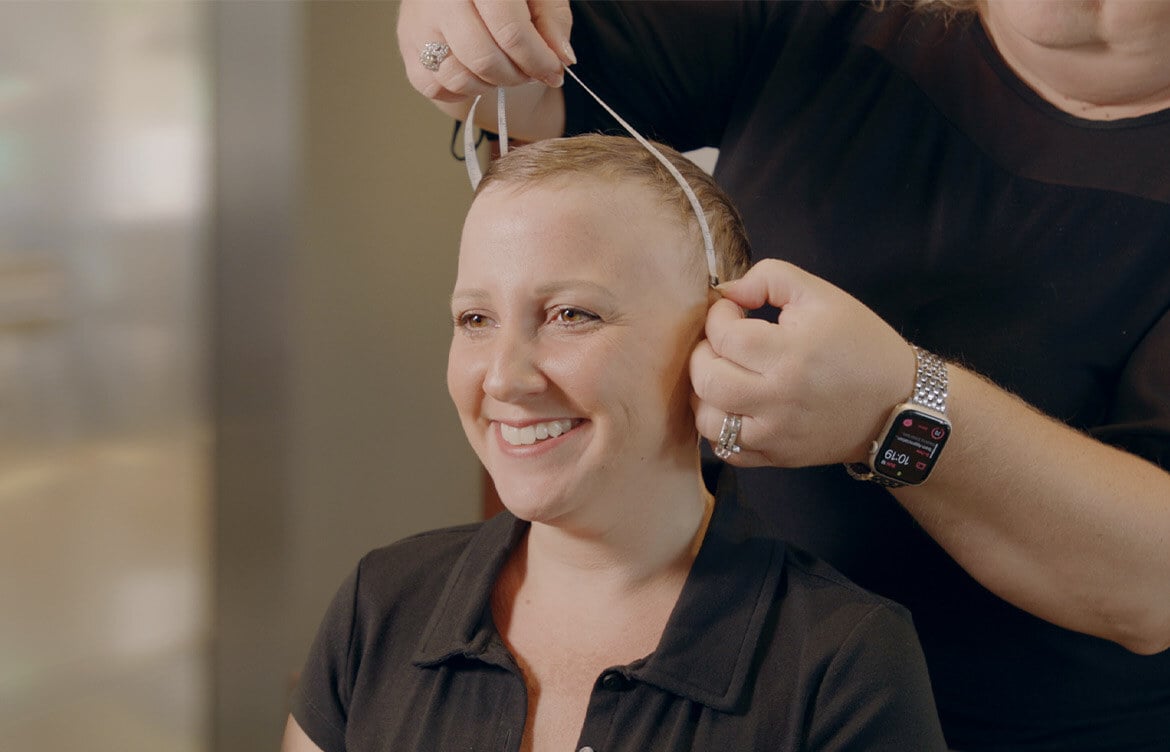
Before buying a wig, it's a good idea to measure your head. Many wig brands simplify sizing by offering just small, medium, and large caps. While these standard sizes work for some people, they don't provide the same level of precision as brands like Daniel Alain, that offer a wider range of sizes. If you're between sizes or have a particularly petite or larger head size, choosing from a more extensive size range can make a noticeable difference in comfort, security, and achieving a perfect fit.
When measuring, you'll typically record the circumference of your head along with measurements from your forehead to the nape of your neck and from ear to ear. If you're buying from a reputable brand or wig shop, they'll usually provide a sizing guide to walk you through the process.
Work With an Experienced Stylist
If you're buying your first wig, working with an experienced stylist can be extremely helpful. They can take accurate measurements, answer your questions, and recommend styles that suit your features and lifestyle.
A knowledgeable stylist can also help with color selection. If you're unsure whether to choose a shade similar to your own hair or opt for a lighter hair color, having professional guidance can make the decision much easier.
Choose a Style That Flatters Your Face Shape and Skin Tone
The best wig isn't simply the one that's trending online. It's the one that suits you. Your face shape, natural skin tone, style preference, and everyday routine should all play a role in your decision.
For example, someone with a round face may find that a layered style or long wig creates a more balanced look, while others may prefer the softness of bangs or a shorter style. There's no single rule that works for everyone, but learning how to choose a wig for your face shape can help you discover what makes you feel most comfortable and confident.
Whether you visit a wig shop in person or shop online with expert support, taking the time to find the right size, color, and style will make your wig wearing experience much more enjoyable from day one.
Wig Care Everyone Should Know

Taking good care of your wig is one of the best ways to keep it looking beautiful for longer. Whether you wear your wig every day or only on special occasions, a consistent wig care routine will help preserve its appearance, extend its lifespan, and keep it looking its best.
Care Tips for Every Wig
A few simple habits can make a big difference:
-
Wash your wig using products specifically designed for wigs. Regular shampoos and conditioners can be too harsh.
-
How often you wash your wig depends on your wig wearing routine. For everyday use, washing every 7–10 wears is a good starting point.
-
Gently detangle the hair before washing, working from the ends toward the roots.
-
Never rub or twist the hair while washing. Instead, gently blot away excess water with a towel.
-
Store your wig on a wig stand or mannequin head when you're not wearing it to help maintain its shape. Browse recommended wig accessories to help with storage and care.
-
If you have one of the many lace front wigs available today, handle the lace carefully. The delicate lace front creates a realistic hairline, but it can tear if pulled or brushed too roughly.
Following these simple care tips will help your wig stay soft, natural-looking, and comfortable to wear.
Caring for Heat Friendly Wigs
If you have a heat friendly synthetic wig, you'll have more styling options than with a traditional synthetic wig. These wigs offer the flexibility to be curled or straightened using heated styling tools, making it easier to change your look.
However, fibers require extra care. Always use the lowest temperature recommended by the manufacturer, as excessive heat can permanently damage the fibers. Taking these precautions will help protect your wig and preserve its beauty for longer. Unlike human hair, heat-friendly synthetic fibers can lose their smooth finish if they're exposed to too much heat or styled too frequently.
Where to Buy A Wig
The quality of your wig is paramount, so choose a reputable retailer. Specialty wig boutiques, hair salons, and online stores are common sources. If you're purchasing online, look for retailers with detailed product descriptions, customer reviews, and a fair return policy. Personal recommendations from friends and family, as well as consultations with hair care professionals can also guide you in making an informed decision.
Wherever you go, we recommend having a personalized consultation with a wig expert who will be able to guide you through your many options.
What if I’m still not sure which wig is right for me?
That’s completely okay. Choosing a high-quality wig is a personal journey. And it’s normal to have questions, hesitation, and even a little fear.
The good news is, you don’t have to figure it all out on your own. Whether you’re navigating hair loss, looking for more volume, or simply want to feel more like you again, there’s a path forward, and it doesn’t have to be overwhelming.
Talking to an expert can help take the pressure off and give you clarity about your needs, style preferences, and the type of cap and fit that will work best for you. And if you’re still wondering what makes one brand stand out from another, it’s often most helpful to hear from the people who’ve already been through the process.

 Call Us
 Showroom